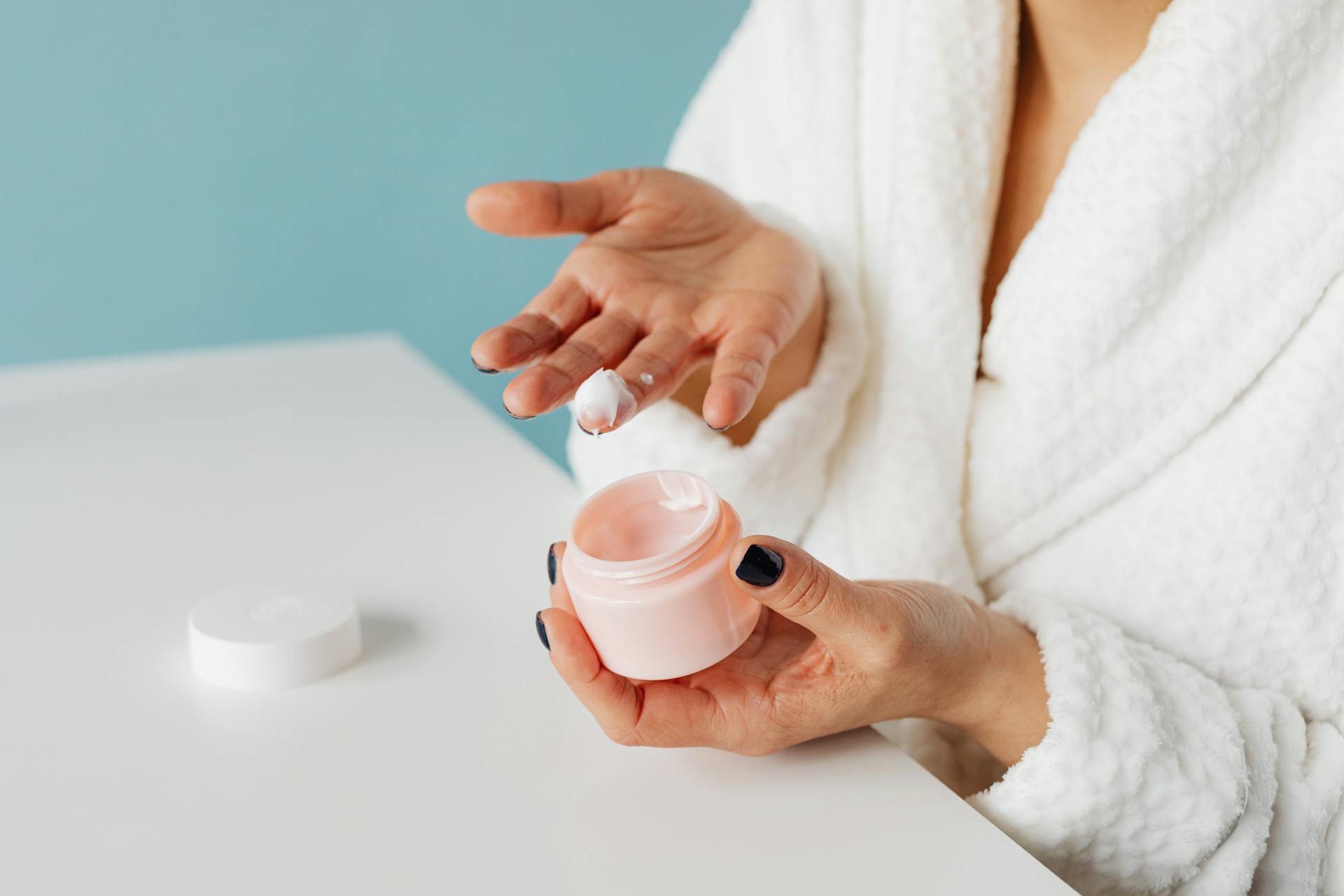
Glutathione cream has taken the skincare world by storm. I’m about to give you the truth that most companies won’t tell you. I’ve seen countless products promise miracle results. Most of them are just expensive bottles of hope.
But this one actually has some science behind it. It also has some serious warnings you need to know about.
After digging deep into the research and talking to dermatologists, here’s what I discovered. Does glutathione cream actually deliver on its brightening promises?
What is Glutathione Cream
Think of glutathione as your skin’s natural bouncer. It’s a powerful antioxidant that your body makes from three amino acids: cysteine, glycine, and glutamic acid. Here’s where it gets interesting for skin brightening. This compound doesn’t just fight free radicals. It actually messes with your melanin production.
Natural Antioxidant Composition
Your skin produces melanin through an enzyme called tyrosinase. Melanin is the stuff that gives you color. Glutathione works by inhibiting this tyrosinase enzyme.
It switches melanin production from darker eumelanin to lighter pheomelanin. It’s like redirecting a factory to make a different product entirely.
Melanin Production Inhibition
The science is actually pretty clever. Glutathione interferes with melanogenesis through direct and indirect inhibition of tyrosinase activity. It also scavenges free radicals.
Here’s the kicker. Most topical creams use oxidized glutathione (GSSG) instead of reduced glutathione (GSH). This is because GSH breaks down too quickly in creams.
Clinical Evidence and Effectiveness
Let me be straight with you about the research. The evidence isn’t as robust as you’d find for ingredients like tretinoin or hydroquinone. But there are some legitimate studies worth discussing.
Recent Study Results
A double-blind, placebo-controlled trial with 30 healthy women found important results. Topical 2% oxidized glutathione significantly reduced melanin index from early weeks through 10 weeks of treatment. The participants applied the cream twice daily.
Researchers measured actual changes in skin pigmentation using scientific instruments. They didn’t just rely on “before and after” photos.
A 2024 systematic review found that glutathione 0.5% was significantly more effective. It worked better than 0.1% concentrations and placebo. Translation: concentration matters. Most over-the-counter creams don’t contain effective amounts.
Timeline for Visible Results
Here’s what the research actually shows about timing. Significant changes in melanin levels were visible from the early weeks of treatment. Don’t expect overnight miracles. Most studies ran for 8-10 weeks to see meaningful results.
Comparison to Other Brightening Ingredients
Let’s be real. Glutathione isn’t the strongest brightening ingredient available. Hydroquinone, tretinoin, and kojic acid have decades more research. But glutathione is being investigated as a potentially safer alternative to conventional agents. This is especially true for long-term use.
Benefits for Skin
The benefits go beyond just lightening. This is actually pretty cool.
Dark Spot and Hyperpigmentation Reduction
Studies show glutathione can brighten skin color in sun-exposed areas. This was measured by melanin index reduction. However, no significant differences were observed in sun-protected areas. This means it works best on actual pigmentation issues, not your natural skin tone.
Antioxidant and Anti-aging Effects
Beyond brightening, studies found interesting additional benefits. Glutathione-treated areas had increased moisture content. They also showed reduced wrinkle formation and improved skin smoothness. It’s like getting a bonus with your main purchase.
Safety and Side Effects
This is where things get serious. I need you to pay attention.
Topical Application Safety
The good news first. Topical glutathione appears to be safe with no marked adverse effects reported in clinical trials. Oral and topical forms are generally considered safer. They have fewer reported side effects compared to injectable forms.
However, some people may experience skin irritation. This includes redness or itching. This is especially true for people with sensitive skin or when using higher concentrations.
FDA Warnings on Injectable Forms
Here’s where I need to scare you straight. The Philippine FDA issued serious warnings about injectable glutathione. They cited risks including toxic effects on the liver, kidneys, and nervous system.
The U.S. FDA also warned about contaminated glutathione ingredients. These caused adverse events in seven patients, including fever and potential bloodstream infections.
Who Should Avoid Use
Avoid glutathione if you’re sensitive to it. Safety during pregnancy and breastfeeding hasn’t been established. For children, medical supervision is recommended, as most studies on pediatric use involved oral forms rather than topical creams.
How to Use Glutathione Cream
If you’re going to try this, do it right.
Application Guidelines
Start slow. Apply a small amount to test areas first. The effective clinical studies used twice-daily application. But I’d recommend starting with once daily to see how your skin reacts.
Combining with Other Ingredients
Studies show that combining topical and oral glutathione might be superior to using either alone. But don’t go crazy mixing active ingredients. Start with one form and see how it works.
Expected Results Timeline
Based on the research, expect to wait 6-8 weeks minimum for noticeable changes. The effects appear to be temporary and reversible. This means you’ll need continued use to maintain results.
Choosing the Right Product

Not all glutathione creams are created equal. This is where most people mess up.
Key Ingredients and Concentrations
Look for products with at least 2% glutathione concentration. That’s what showed results in studies. Research shows 0.5% was more effective than 0.1%. Avoid products that don’t list their concentration. This is a red flag.
Reputable Formulations
Stick with brands that use oxidized glutathione (GSSG) rather than reduced glutathione (GSH) in topical products. GSH breaks down too quickly in cream formulations to be effective.
Expert Verdict on Effectiveness
Here’s my take after reviewing all the research.
Dermatologist Opinions
The medical consensus is telling. There’s little convincing evidence for glutathione as therapy for hyperpigmentation at present. Many unresolved controversies surround its use. Most dermatologists I’ve spoken with remain skeptical but aren’t completely dismissive.
Real-world Effectiveness
Current evidence supports glutathione’s potential as a depigmenting agent. But it underscores the need for more rigorous, large-scale clinical trials. It works for some people. But it’s not the miracle cure social media makes it out to be.
Final Recommendation
If you want to try glutathione cream, go for it. But manage your expectations. It’s relatively safe topically. It has some legitimate research backing it. It might give you modest improvements in skin brightness and overall texture. Just don’t expect it to dramatically change your skin tone. And definitely avoid injectable forms.
If you’re looking for more proven alternatives, places like Axa Beauty Shop offer a range of brightening products with stronger clinical evidence. Vitamin C serums, retinoids, and kojic acid products have decades more research behind them.
Sometimes the tried-and-true ingredients are worth considering alongside newer options like glutathione.
The bottom line? Glutathione cream shows promise as a gentle skin brightening option. But it’s not going to replace proven treatments like prescription retinoids or professional chemical peels. It’s more like a supporting player than the star of your skincare routine.
Frequently Asked Questions (FAQs)
1. How long does it take for glutathione cream to show results?
Based on clinical studies, you can expect to see initial changes in 4-6 weeks with consistent twice-daily use. However, significant brightening effects typically become noticeable after 8-10 weeks of regular application. Results are gradual and require patience – this isn’t an overnight transformation.
2. Can I use glutathione cream with vitamin C or retinol?
While there’s limited research on specific combinations, glutathione is generally compatible with most skincare ingredients. However, start slowly when combining active ingredients.
I’d recommend using glutathione cream in the morning and vitamin C or retinol at night to minimize potential irritation, especially when first starting.
3. Is glutathione cream safe for all skin types?
Topical glutathione appears safe for most skin types based on clinical trials. However, people with sensitive skin should patch test first, as some may experience redness or irritation.
Those with known allergies to glutathione or its components should avoid use entirely. It’s not recommended for children under 10 or during pregnancy without medical consultation.
4. Will glutathione cream permanently lighten my skin?
No, the skin brightening effects of glutathione cream are temporary and reversible. Studies show that melanin levels return to baseline when you stop using the product.
Think of it as a temporary enhancement rather than a permanent change – you’ll need continued use to maintain any lightening effects you achieve.
5. What’s the difference between glutathione cream and injections?
Glutathione cream is applied topically and has a good safety profile with minimal side effects. Injectable glutathione bypasses the digestive system for potentially faster results, but carries serious risks including liver damage, kidney toxicity, and allergic reactions.
The FDA has issued warnings against injectable glutathione for skin lightening, making topical cream the safer choice.