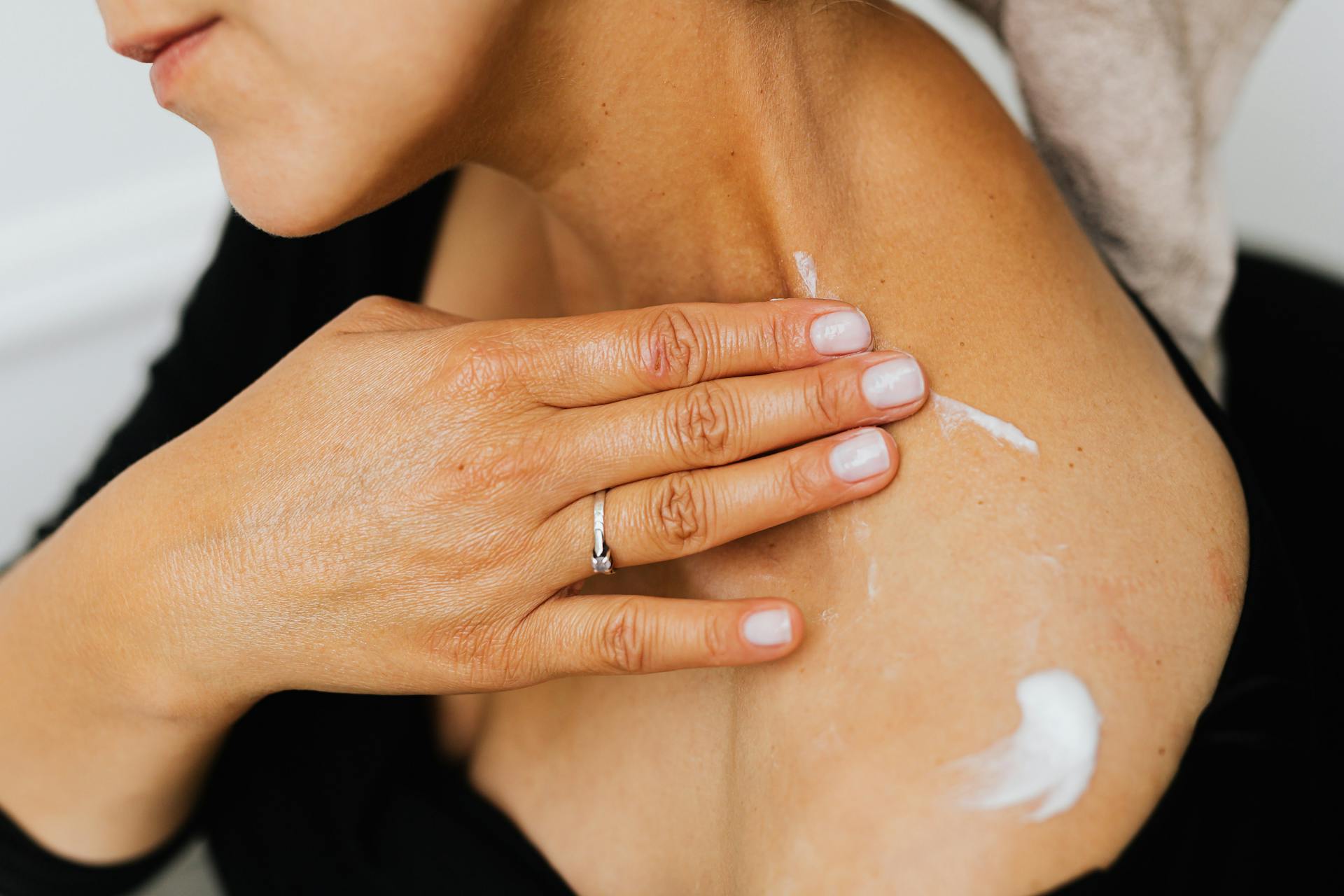
Lightening cream has become one of the most talked-about skincare products, and honestly, I get why people are curious about it. You’ve probably wondered how these creams actually work and whether they’re safe to use.
I’ve seen too many people jump into using these products without understanding what they’re putting on their skin. Let me break down everything you need to know about how these creams work and the red flags you absolutely can’t ignore.
How Lightening Cream Works
Here’s the thing about skin lightening – it’s not magic, it’s science. Your skin produces a pigment called melanin, and that’s what determines your skin color and creates those dark spots you might want to fade.
Melanin Production Inhibition
Think of melanin like your skin’s natural defense system. When you get sun exposure or have inflammation, your skin pumps out more melanin to protect itself. But sometimes this process goes haywire, leaving you with uneven patches or stubborn dark spots.
A quality lightening cream works by slowing down this melanin production. It’s like putting a governor on an engine – it doesn’t stop the process completely, but it controls how fast it runs. The cream targets specific enzymes in your skin that are responsible for creating melanin.
Key Active Ingredients
Not all lightening cream ingredients are created equal. Here are the heavy hitters that actually work:
Kojic Acid – This comes from mushrooms and is pretty gentle. It blocks the enzyme that creates melanin without being too harsh on your skin.
Vitamin C – The gold standard for brightening. It not only helps with pigmentation but also protects your skin from future damage.
Arbutin – A natural ingredient that’s like a gentler cousin of hydroquinone. It releases slowly in your skin for consistent results.
Glycolic Acid – This works differently by speeding up cell turnover, basically helping your skin shed the darker, damaged layers faster.
Products like the Mena Lightening Cream or Arche Pearl Cream typically combine several of these ingredients for better results.
Expected Results Timeline
Let’s get real about expectations. I’ve seen people expect overnight miracles, and that’s just not how skin works.
Most people start seeing subtle changes around week 4-6 of consistent use. The full effect usually takes 12-16 weeks. Your skin cells need time to turn over and replace the pigmented ones with lighter cells.
Don’t trust any product that promises dramatic results in days. That’s usually a sign of dangerous ingredients.
Critical Safety Warnings
This is where things get serious. The lightening cream market is full of products that can seriously harm you.
Banned Ingredients (Mercury, Undisclosed Hydroquinone)
Mercury is poison. Period. Yet it’s still found in some lightening creams, especially those imported from certain countries. Mercury poisoning can damage your nervous system, kidneys, and brain.
Hydroquinone is another red flag. While it can be effective, it’s now prescription-only in the US for good reason. Over-the-counter products shouldn’t contain it, but some do anyway without listing it on the label.
Recent FDA Recalls and Alerts
Just this year, the FDA recalled multiple lightening products. In August 2025, “Pretty White! Lightening Body Cream” was banned for containing 5% hydroquinone – way above safe levels. Another product, “Super Clair Lightening & Bleaching Body Cream,” was pulled for similar violations.
These aren’t isolated incidents. It’s happening regularly because regulation is spotty.
Dangerous Side Effects
Here’s what scared me when I researched this: some people develop ochronosis – permanent blue-black discoloration of the skin. It’s irreversible and happens from prolonged hydroquinone use.
Mercury poisoning symptoms include numbness, memory problems, and muscle weakness. Some pregnant women have passed mercury to their unborn children through these creams.
What to Watch Out For
Knowledge is your best defense here. I’m going to give you the warning signs that should make you run.
Warning Signs of Harmful Products
Red flags that scream “danger”:
- No ingredient list or ingredients in foreign languages only
- Promises of dramatic results in days
- Unusually cheap prices for “premium” formulas
- Sold by unlicensed vendors or sketchy websites
- Products that make your skin tingle or burn immediately
I’ve seen people buy lightening cream from random online sellers because it was cheap. Don’t do this.
Serious Side Effects Requiring Medical Attention
Stop everything and see a doctor if you experience:
- Severe skin irritation that doesn’t go away
- Blue or gray discoloration of treated areas
- Numbness or tingling in hands/feet
- Memory problems or confusion
- Kidney problems (changes in urination)
Skin Reactions and When to Stop
Your skin will tell you when something’s wrong. Watch for persistent redness, burning, or unusual darkening. Some people think these reactions are “normal” – they’re not.
The Sandal Beauty Cream I’ve seen people use successfully tends to be gentler because it uses natural ingredients, but even natural products can cause reactions.
Safe Usage Guidelines
Using lightening cream safely isn’t complicated, but you need to follow some basic rules.
Proper Application and Testing
Always patch test first. Apply a small amount to your inner wrist and wait 24 hours. No reaction? Good. Reaction? Don’t use it.
When applying, use clean hands and only apply to the specific areas you want to treat. Don’t go overboard with the amount – a thin layer is enough.
Duration Limits and Sun Protection
Here’s something most people mess up: sun protection is non-negotiable when using any lightening cream. These products make your skin more sensitive to UV damage.
Use SPF 30 minimum every day, even indoors. I’m serious about this. Without sunscreen, you’ll actually make your pigmentation worse.
Most products should be used for no more than 3-4 months at a time, then you need a break.
Professional vs OTC Options
Dermatologist-prescribed treatments are always safer than random over-the-counter products. Yes, they cost more upfront, but you’re paying for safety and efficacy.
If you’re going the OTC route, stick to reputable brands with transparent ingredient lists. Products like Goree Beauty Cream from established companies usually have better quality control.
Choosing Safe Products

The market is flooded with options, but most are garbage or dangerous. Here’s how to separate the good from the bad.
Reading Labels for Red Flags
Avoid products that:
- Don’t list all ingredients clearly
- Contain mercury (may be listed as mercuric, mercurio, or Hg)
- Have hydroquinone in OTC formulations
- Make medical claims they can’t back up
Look for products that:
- List all active ingredients with concentrations
- Have clear manufacturing information
- Include safety warnings and usage instructions
Dermatologist-Recommended Ingredients
Stick to ingredients that dermatologists actually recommend:
- Kojic acid (1-4%)
- Vitamin C (10-20%)
- Arbutin (1-2%)
- Azelaic acid (10-20%)
- Glycolic acid (5-10%)
Quality Indicators
Good products have proper packaging that protects light-sensitive ingredients. They include batch numbers and expiration dates. The company should have customer service you can actually reach.
Cheap plastic tubes with handwritten labels? Hard pass.
Conclusion
Look, I get it. Everyone wants clear, even skin. But using lightening cream safely requires you to be smart about it. The market is full of dangerous products that can permanently damage your skin or worse.
Stick to reputable ingredients, always patch test, never skip sunscreen, and when in doubt, consult a dermatologist. Your skin is the only one you get – don’t gamble with products that could harm it.
When you’re ready to find quality lightening products, look for retailers who prioritize transparency and safety. At Axa Beauty Shop, we carefully curate our selection to include products with clear ingredient lists and proven track records. We understand that your skin deserves better than questionable formulations from unknown sources.
Remember, real results take time, and any lightening cream promising instant miracles is probably lying to you.
Frequently Asked Questions (FAQs)
1. How long does it take for lightening cream to work?
Most people see initial results after 4-6 weeks of consistent use. Full results typically take 12-16 weeks. Anyone promising faster results is probably selling something dangerous.
2. Can I use lightening cream on my entire body?
I strongly advise against using lightening cream on large areas of your body. This increases your risk of absorption and side effects. Stick to small, targeted areas like dark spots or patches.
3. Is it safe to use lightening cream during pregnancy?
Medical experts strongly recommend avoiding lightening cream during pregnancy and breastfeeding. Research shows mercury can be absorbed through skin and passed to your baby, potentially causing permanent neurological damage. Many other lightening ingredients haven’t been adequately studied for pregnancy safety. Always consult your doctor first.
4. Why do some lightening creams make dark spots worse?
This can happen if the product contains mercury or if you’re not using proper sun protection. Some people also experience “rebound pigmentation” when they stop using certain ingredients abruptly.
5. What should I do if my skin gets darker after using lightening cream?
Stop using the product immediately and see a dermatologist. This could be a sign of ochronosis (from hydroquinone) or mercury poisoning. Don’t try to fix it yourself with more products.